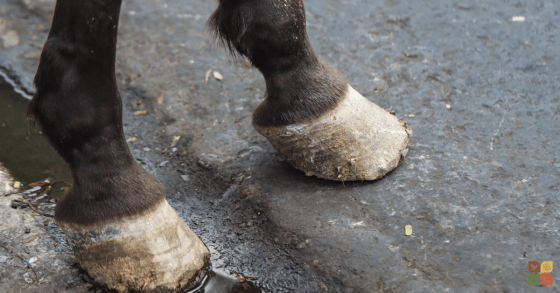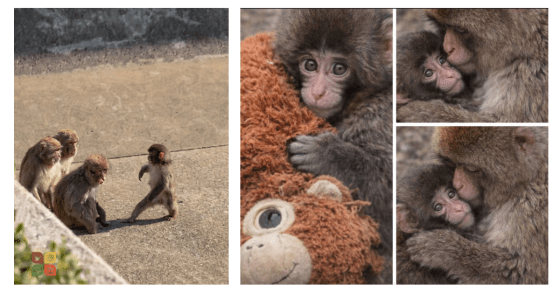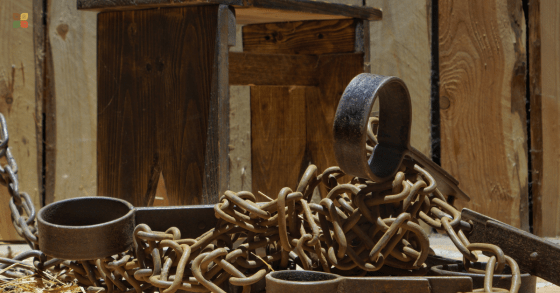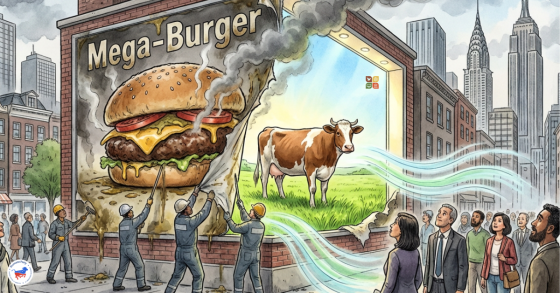
What if animal liberation weren’t confined to courtrooms and campaigns—but passed quietly into law? This satirical illustration imagines a future where New York City recognizes what activists have long argued: freedom is not species-specific. As Bronx Zoo animals walk through open gates and into public life, the cartoon asks a simple, unsettling question—what changes when justice finally applies to everyone?
Animal Rights and Welfare: Key Developments, January 1–26, 2026
From mass killings of free-roaming dogs in India to the launch of a public animal cruelty registry in Florida, the opening weeks of 2026 reveal both the fragility of animal protections and the growing role of courts and policy in addressing systemic harm. This World News Wednesday report examines the most significant animal rights and welfare developments from January 1–26, 2026.
Voices of the Movement: Kearney Robinson
From a childhood moment of moral clarity to nearly two decades of vegan living and policy work, Kearney Robinson reflects on ethical awakening, sustainable activism, and the importance of community, care, and concrete action in building lasting change.
When the Storm Comes
As a rare and powerful winter storm moves across a wide swath of the country, The Humane Herald looks beyond forecasts and infrastructure to examine what preparedness rooted in care looks like — for people, companion animals, and wildlife — in regions both accustomed to winter weather and newly vulnerable to its extremes.
ICE, the Constitution, and the Quiet Erosion of the Fourth Amendment
A newly disclosed internal ICE policy has raised constitutional concerns after reports revealed guidance allowing agents to enter private homes using administrative warrants rather than judge-signed judicial warrants. Legal experts warn the directive challenges long-standing Fourth Amendment protections and could have broader implications beyond immigration enforcement.
Language, Examined: When Responsibility Disappears
When headlines remove the actor from the sentence, harm begins to look like an accident rather than a choice. This installment of Language, Examined explores how passive phrasing and abstract language quietly erase responsibility—and why that matters.
Compassionate Cooking: Everyday Vegan Substitutes
Vegan cooking doesn’t have to be complicated or expensive. Many everyday vegan substitutions are simple, affordable, and already sitting in your kitchen. This guide breaks down practical egg alternatives—like flax eggs, aquafaba, fruit purées, and tofu—so compassionate cooking feels approachable, flexible, and reliable.
When the Panthers Return
When armed Black Panther–affiliated groups appeared at recent anti-ICE protests, much of the media fixated on optics: uniforms, firearms, symbolism. But the real story isn’t the presence of Panthers — it’s the conditions that make communities feel safer beside armed civilians than beneath federal authority. History is clear on this point: when the state loses legitimacy through unchecked force, people do not retreat. They organize. The question we should be asking isn’t who showed up, but why they felt they had to.
Martin Luther King Jr. Day: Remembering the Radical, Not the Relic
Martin Luther King Jr. was not a symbol crafted for comfort. He was a radical voice who challenged racism, militarism, and economic injustice at their roots. To honor him today means remembering the full truth—and continuing the work he left unfinished.
Dutch Authorities Move to Shut Down Nation’s Last Duck Slaughterhouse
Dutch authorities have taken formal steps to revoke permits for the Netherlands’ last remaining duck slaughterhouse—a move that could end commercial duck slaughter in the country if upheld. While legal appeals remain possible, the decision signals a significant shift in how governments respond to animal welfare, environmental harm, and public accountability.
When the State Becomes the Threat
A U.S. citizen was killed during a federal immigration operation she was not the target of. Within hours, the state rewrote the narrative to justify her death. This editorial examines the killing of Renee Good, the role of ICE, and why reform is no longer enough.
When “Running Venezuela” Is the Point
When political leaders speak of “running” another sovereign nation until it submits to a so-called transition, the danger is not hypothetical. Language like this reveals a worldview rooted in domination rather than consent—and history shows where that road leads. This editorial examines why rhetoric matters, how empire announces itself, and why democracy cannot be imposed by force.
Language, Examined: How Headlines Soften Harm Without Saying So
News headlines often appear neutral—but neutrality achieved through abstraction can obscure harm. This first installment of Language, Examined explores how common headline constructions soften impact, shift attention, and quietly shape public perception.
Veganuary: A Month That Sparks a Movement
Every January, millions of people worldwide take part in Veganuary, a month-long invitation to explore vegan living. What begins as a simple dietary shift often sparks deeper reflection on animal ethics, environmental responsibility, and the power of collective action to drive lasting change.
At the Threshold of Time
As the year draws to a close, The Humane Herald reflects on a year marked by ethical clarity, resistance to euphemism, and the refusal to look away from interconnected crises facing humans, nonhuman animals, and the planet. Standing at the threshold of a new year, this piece calls readers forward—not with false optimism, but with disciplined hope, moral courage, and a commitment to compassion rooted in truth.
Voices of the Movement: James Schultz
Legal scholar and policy strategist James Schultz reflects on veganism, justice, and animal liberation—examining how law, moral consistency, and collective responsibility shape a more just future.